
Master Strategy in Free Online Games

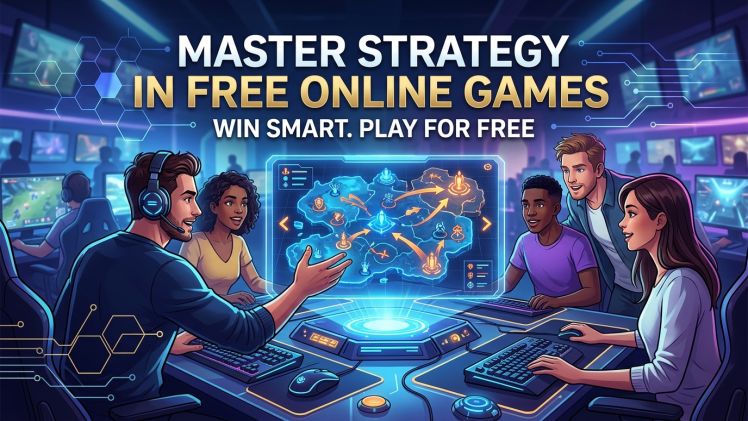
Free online games offer an accessible way to enjoy competitive challenges without a commitment. From tactical adventures and strategy battles to puzzle contests and multiplayer arenas, these games reward players who think ahead, manage resources, and adapt quickly. Success is rarely based on luck alone; careful decisions and consistent practice can create an advantage when players understand how each game works. For players looking to sharpen their approach, agb99 can represent a useful starting point for exploring online gaming opportunities.
Understand the Game Before Playing
A strong strategy begins with understanding the rules, objectives, and mechanics. Before rushing into matches, learn how scoring works, which actions are valuable, and which mistakes can end a round quickly. Many free games provide tutorials, practice modes, or beginner levels that let players learn without pressure. Use these features to become familiar with controls, maps, characters, resources, and win conditions. Knowledge reduces hesitation and helps you makes decisions with more confidence.
Build a Clear Game Plan
Entering a match without a plan can lead to unnecessary mistakes. A simple strategy should identify the main objective, required resources, and potential risks. In competitive games, decide whether your style will focus on offense, defense, exploration, or resource management. Avoid copying another player’s strategy without considering your strengths. A plan works best when it matches your preferred pace and leaves room for adjustment when circumstances change.
Manage Resources Carefully
Resource management is an important skill across many online games. Resources may include coins, energy, cards, equipment, time, health, or special abilities. Spending everything immediately can leave you vulnerable later, while saving too much can prevent useful opportunities. Learn to distinguish essential purchases from tempting extras. Consider both immediate benefits and long-term value before committing resources. Efficient management often separates consistent players from those who rely on impulsive decisions.
Improve Decision-Making
Good strategy depends on making decisions under pressure. Instead of reacting emotionally, pause and consider possible outcomes. Ask what your opponent may do, what options remain, and what response gives you the best position. Over time, this process becomes faster and more natural. Reviewing difficult matches can reveal patterns in your decisions. Identify moments where patience, positioning, or timing could have produced a better result, then apply those lessons during future games.
Adapt to Opponents
No strategy works perfectly against every opponent. Skilled players observe behavior and adjust accordingly. If an opponent consistently attacks early, strengthen your defense and look for counter opportunities. If they play cautiously, apply controlled pressure without becoming reckless. Adaptation requires attention to patterns, not assumptions. Watch movement, timing, resource use, and repeated habits. The more accurately you read an opponent, the easier it becomes to anticipate their next action and prepare an effective response.
Use Practice to Develop Skill
Practice matters because strategy works only when you apply it consistently. Start with manageable challenges and gradually increase difficulty. Focus on one skill at a time, such as positioning, timing, aiming, resource control, or map awareness. Repeating a technique helps build reliable habits. Free games help because players can experiment with different approaches without a big investment. Treat losses as information, not proof of failure.
Protect Your Focus
Mental discipline can affect performance. Long sessions, frustration, and distractions often lead to poor decisions. Take short breaks when concentration drops, and avoid continuing simply because you want to recover from a losing streak. Set play periods and return with a clear mind. Keeping notifications and unnecessary applications under control can also improve attention. A calm player is more likely to recognize opportunities and avoid careless errors.
Learn From the Community
Online gaming communities can provide useful strategic ideas, guides, and discussions. Experienced players often explain efficient builds, common mistakes, useful techniques, and changing trends. However, not every recommendation will fit your style or remain effective after updates. Compare viewpoints and test suggestions yourself. The goal isn’t to follow popular advice unthinkingly, but to discover principles that improve your decision-making.
Keep Strategy Flexible
The strongest approach is not always complicated. Effective strategy comes from understanding objectives, managing resources, observing opponents, practicing deliberately, and adapting when conditions change. Stay patient, review results, and keep refining decisions as you gain experience.